Nobody is taking your shield
Why every leader wears armour, and why the work isn't taking it off. Psychotherapist Timothy Wright on pressure, steadiness and choosing when to raise your guard.
Read →“Everything still comes back to me.”
“The hard calls still land on my desk.”
“I hired well. So why am I still carrying this much?”
Are you a founder CEO who knows the business has outgrown its dependence on you, but isn't yet confident your leadership team can hold and shape it without you?

Founder & Principal Partner, The Elevate Partnership
I work alongside founder-CEOs and their leadership teams, in the room, on the work that's already on the table.
More about Paul →Not until you've seen your leadership team handle it. Which is difficult, because you're still the one handling it.
You don't yet fully trust the team with the hardest calls.
So you stay involved.
Which leaves the team less room to build real ownership.
Which gives you more reason to stay involved.
Underneath it is a harder question. How do you scale the business without losing the spirit that made it work?
“Paul didn't just teach me my role. He helped me examine how I was thinking about it. I moved from operating under pressure and control to leading with clarity, purpose, and genuine connection.”
“You made it safe for us to say what we were thinking and didn't miss a nuance. You really made me think a lot about how I operate within a team.”
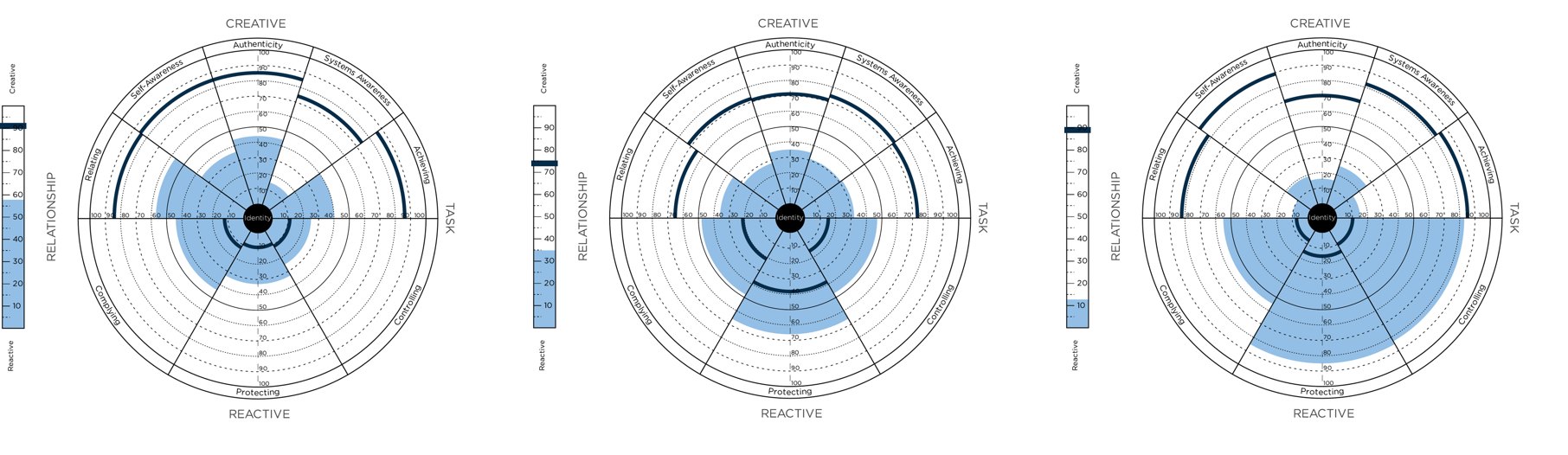
A 23-percentage-point shift in Collective Leadership effectiveness, from the 35th to the 58th percentile, over twelve months.
The impact of each Step Change Programme can be measured. Results will vary by client and context.
Rarely a line on a report. More often in the texture of everyday work.
Patterns produce friction. Friction costs capacity. Financial performance sits downstream of all of it, not the other way round.
Growth doesn't usually expose incapable people. It exposes ways of working that are no longer equal to what the organisation is being asked to carry.
So the useful question isn't who is underperforming. It's what patterns and conditions are producing what we're seeing.
Working harder is the strategy that got you here. It's also the ceiling.
Leadership isn't something you learn about. It's expressed in what you practise.
We work with CEOs and their leadership teams on live business issues, identify the real skills and micro-skills that need developing, then practise, reflect, adjust and put in the reps.
Rather than taking people away from the business to learn leadership in the abstract, the work itself becomes the practice ground.
A difficult decision.
A leadership conflict.
A strategic transition.
A team that isn't taking enough ownership.
A founder struggling to let go.
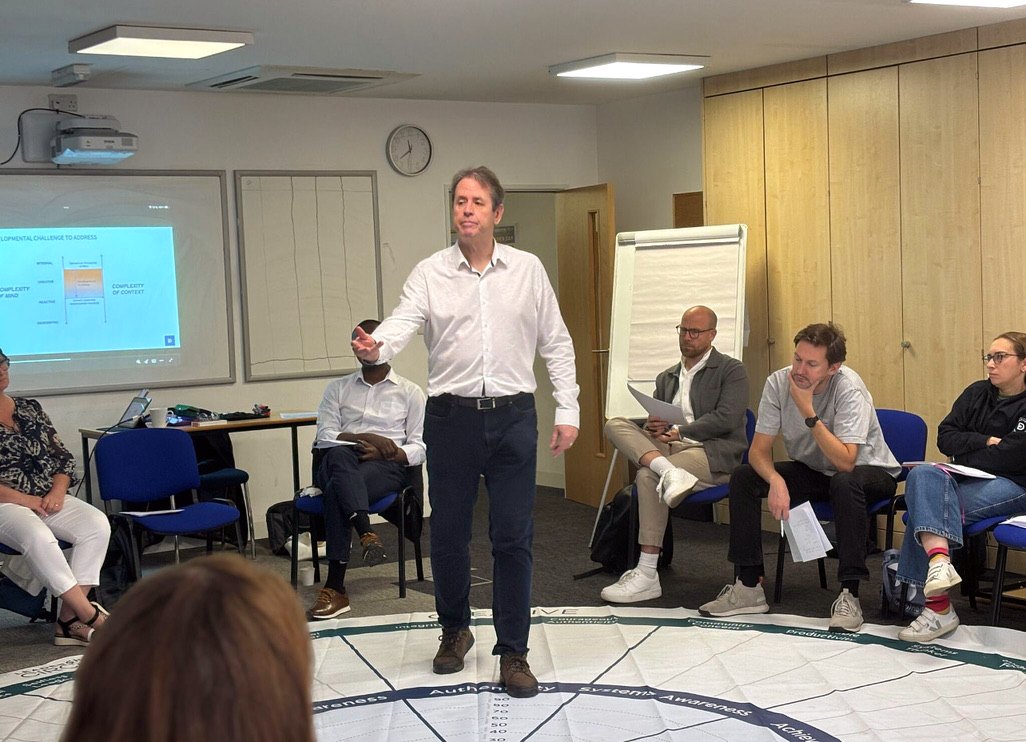
Take a genuine organisational challenge, the one already on the table.
What is actually happening, between people, not what we assume is happening.
Name the skill it asks for, and do it differently, in the room, for real.
What happened, and what did it change?
What will we try differently next time?
Put in the reps. Capability is built, not briefed.
Start small. Prove it. Then scale it.
Fewer decisions return to the founder.
Ownership is more widely shared.
Judgement becomes more distributed.
Disagreement becomes more constructive.
The founder has more room to think, and more confidence in letting go.
The organisation becomes more capable of carrying what growth now asks of it.
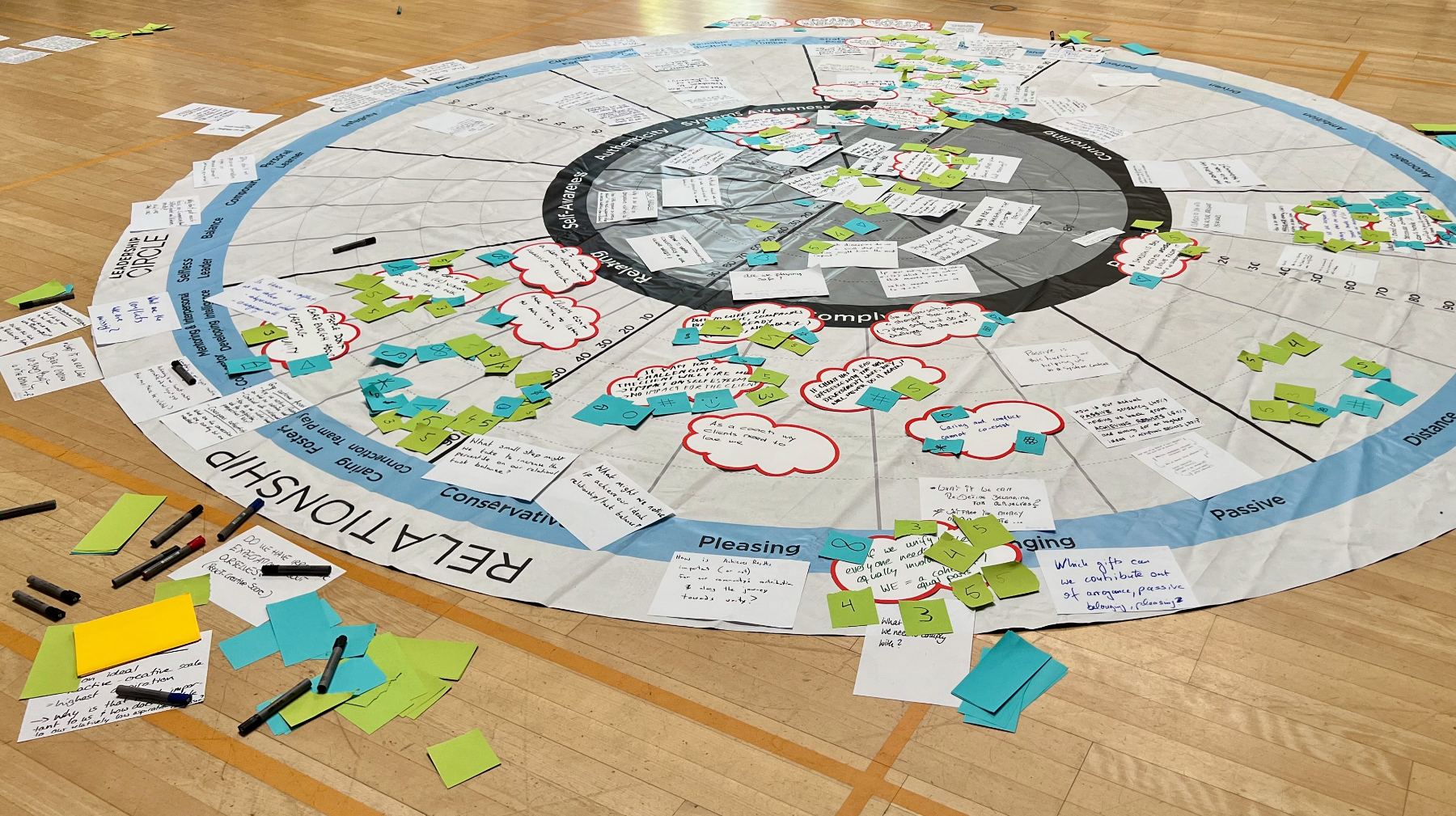
A leadership team's own thinking, on the floor, mid-session.
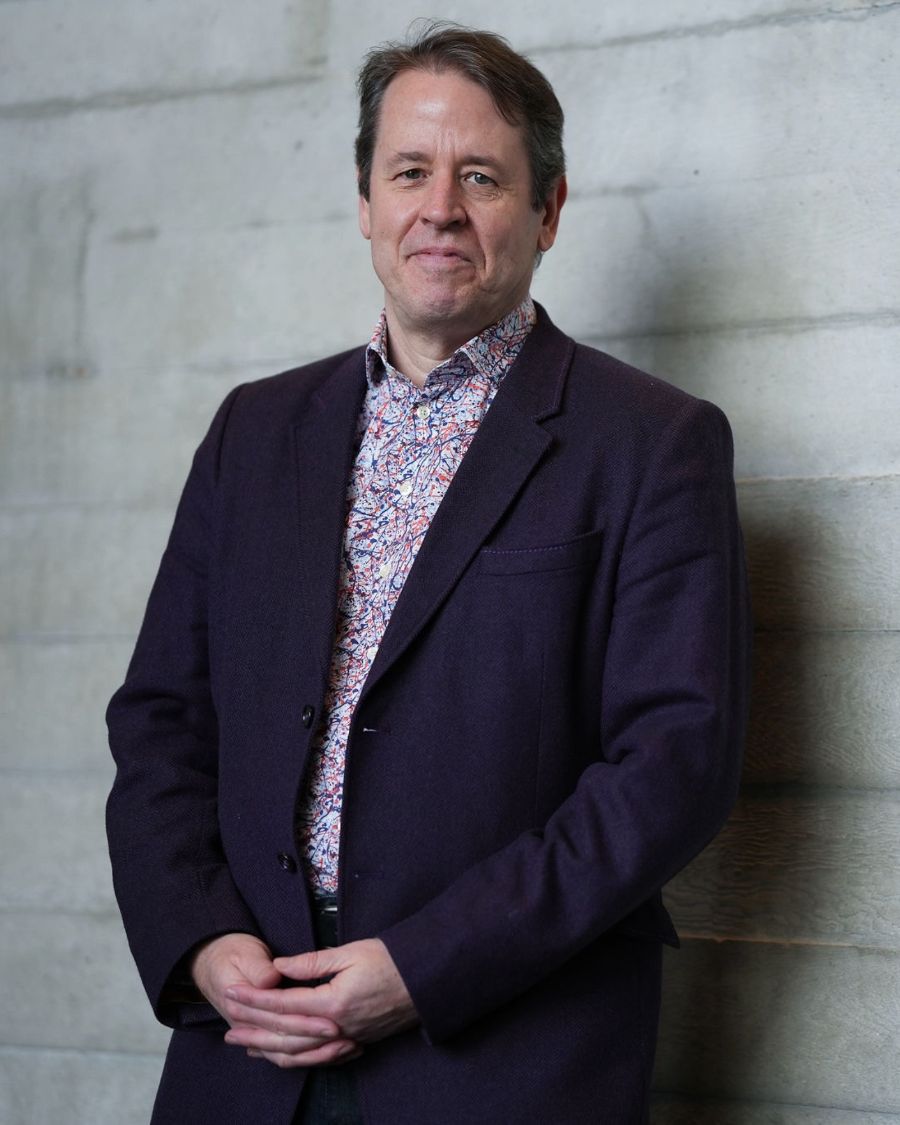
Over twenty years, across organisations of every size, the same pattern kept appearing. Good people, working harder rather than differently, inside ways of working that growth had quietly outgrown.
GRACEWorks is the body of thinking and practice that came out of following that question: how organisations cultivate, together, the capacities growth asks of them. Trust. Judgement. Shared responsibility. Constructive challenge.
None of those are taught. They emerge through shared practice, which is why the programme is built the way it is.
Observation and explanation inform. Practice transforms.
The video plays here. Nothing loads from YouTube until you press play.
Essays exploring organisational capability, founder-led growth, leadership practice and the questions behind GRACEWorks.
Read on Substack →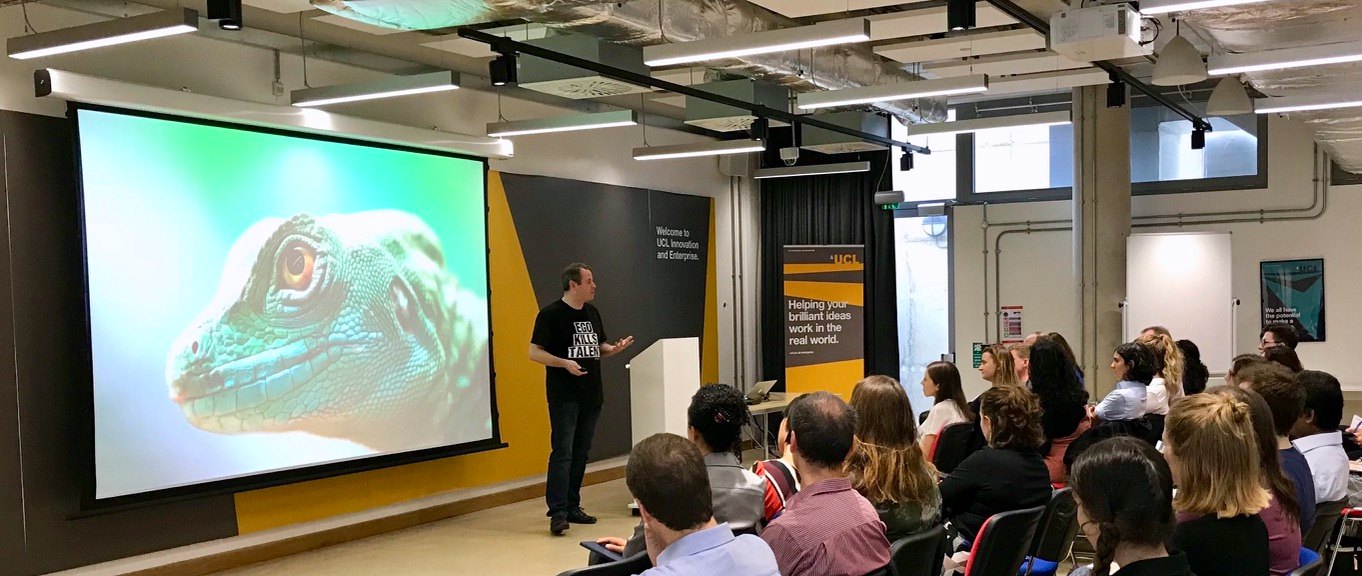
A TEDx talk and selected podcast conversations, for when you'd rather encounter the ideas than read them.
Watch the talk →More important decisions return to you than move away from you.
Your leadership team is capable, yet still leans on you more than either of you would like.
The business keeps growing, but the organisation feels increasingly stretched.
You want to scale without losing what made the business work in the first place.
You aren't looking for another leadership programme. You're looking for an organisation that can carry more, together.
You're looking for a quick fix.
You want an off-the-shelf programme.
You believe replacing a few individuals will solve it.
You say you want change but tend not to follow through.
You're still in start-up mode, focusing on product/market fit.
You're not yet ready to look honestly at how the organisation works together.
None of this is a judgement. It's simply a different kind of work than the one we do, and knowing that early saves everyone time.
Why every leader wears armour, and why the work isn't taking it off. Psychotherapist Timothy Wright on pressure, steadiness and choosing when to raise your guard.
Read →No pitch and no deck. One conversation to understand what your organisation is being asked to carry today. There's no obligation, either way.